

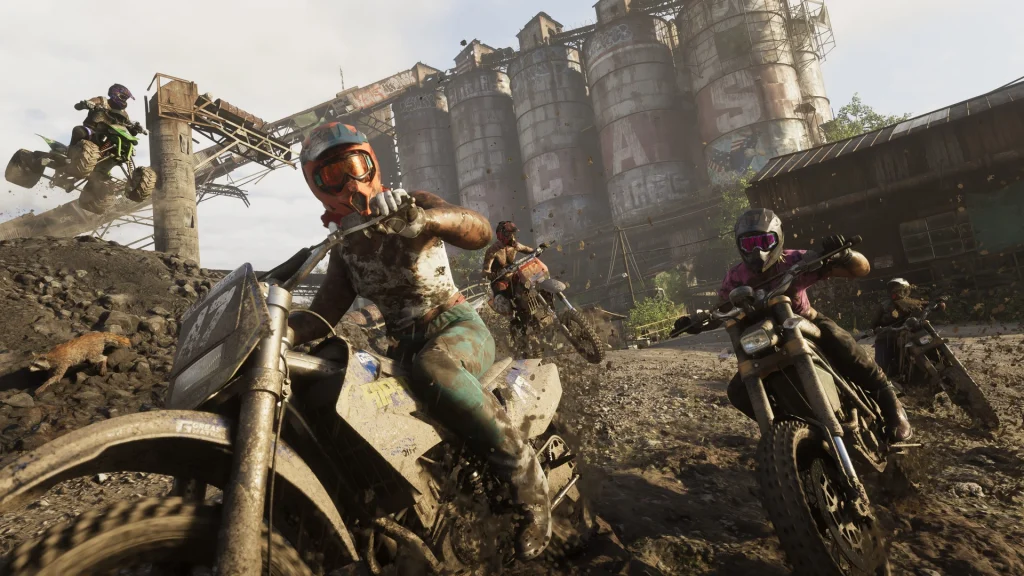
Rockstar’s official GTA VI gallery identifies Mount Kalaga National Park as a northern Leonida region. The published description highlights hunting, fishing and off-road trails, while the screenshots show water, steep ground, forests and remote activity away from Vice City’s dense streets. The location can change how players read distance, vehicles and danger without leaving the same open world.
Steep ground and long roads make route choice important
A mountain region is useful only if elevation affects movement. Roads should curve around slopes, shortcuts should demand an appropriate vehicle and a poor descent should have a real cost. In a city, the map often provides several parallel streets. In Mount Kalaga, one blocked bridge or damaged vehicle can make the alternative route much longer.
That structure encourages preparation without requiring a survival simulation. Fuel, vehicle condition and weather do not all need complex meters. The game can create the same pressure by placing services farther apart and making a fast sports car unsuitable for a muddy trail. The player understands the rule through the landscape rather than a warning box.
Hunting and fishing reward observation instead of speed
Rockstar explicitly connects the park with hunting and fishing. These activities can slow the pace after a dense sequence in Vice City, but they should still involve observation. Animal movement, water conditions and sound can guide the player toward a useful spot. A marker placed directly on every target would make the wilderness feel like another city checklist.
Optional activities can also reveal local characters and economies. A catch may matter to a small business, while a hunting route can introduce a resident who knows a road that does not appear on the main map. The reward does not have to be the best weapon or largest payment. Knowledge and access fit a national park better than another row of expensive storefronts.
Off-road trails give trucks and all-terrain vehicles a purpose
GTA games contain many trucks and off-road vehicles, but city missions often allow an ordinary fast car to solve the same problem. Mount Kalaga can make ground clearance, traction and suspension meaningful. A vehicle that is slower on the highway may become the quickest choice once the route crosses rock, shallow water or deep mud.
Damage should remain readable. If a truck loses control, the player needs to see whether the cause was speed, surface or a collision rather than an invisible boundary. Good trail design offers safe and risky lines. The safe route takes longer, while the difficult route rewards skill without depending on one unpredictable bounce.
| Regional element | Likely design pressure |
|---|---|
| Steep terrain | Longer and more selective routes |
| Off-road trails | Vehicle choice matters |
| Hunting and fishing | Slower observation-based activity |
| Remote roads | Different pursuit and escape choices |
Police pursuits can work differently on remote roads
Police response in a park should not feel identical to pursuit in central Vice City. There may be fewer patrol cars, but aircraft and roadblocks can matter more because the road network is sparse. Leaving the marked route could break visibility while also slowing the player. This tradeoff gives the terrain an active role in escape.
The region can also support crimes whose scale fits isolation: moving goods, reaching a hidden site or intercepting a vehicle before it arrives at the main highway. Such missions do not need constant explosions. Distance and uncertainty can create tension when the player knows that a missed junction will cost several minutes.
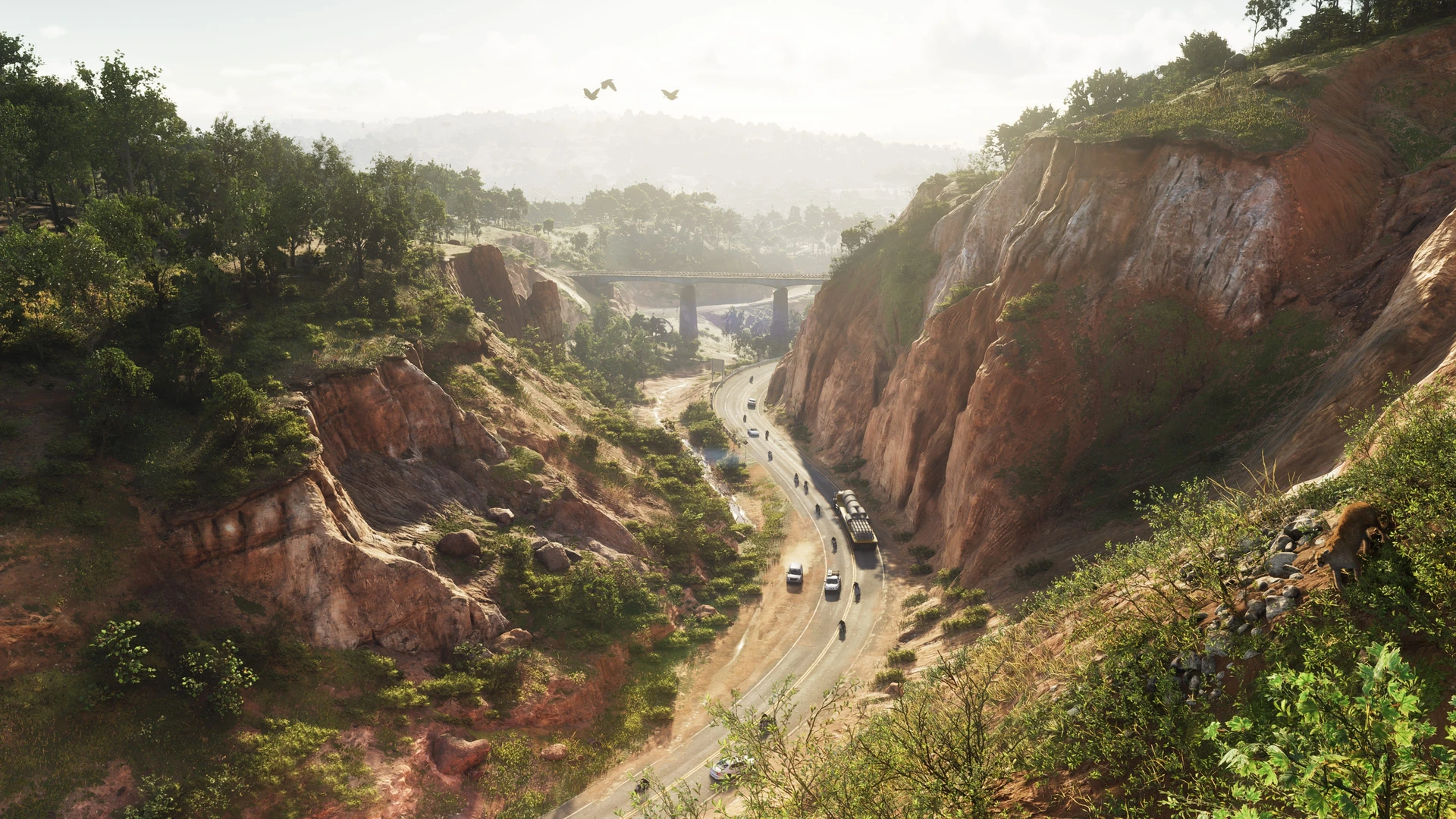
Different activities give Mount Kalaga its own identity
Vice City, the Keys, wetlands, industrial areas and Mount Kalaga should not differ only in colour. Each region needs a movement pattern and a reason to return. The park’s identity can rest on elevation, long routes and outdoor activities. That makes a journey north feel like leaving one set of assumptions rather than passing through a cosmetic border.
The official material confirms the location and its broad attractions, but it does not confirm every imagined system. Hunting, fishing and off-road trails are safe facts; detailed wildlife AI, dynamic weather and vehicle inventories remain questions until Rockstar explains them. Keeping that line clear allows the existing screenshots to support a strong conclusion without turning speculation into a feature list.
The region needs activities that use its geography
Mount Kalaga will feel distinct only if the player makes different decisions there. A steep trail can change the useful vehicle, weak reception can limit immediate information and a narrow bridge can turn a simple escape into route planning. Copying a city activity into a rural background would waste the location. The systems should make distance, elevation and terrain matter without turning every trip into slow travel.
Connections with the wider map are equally important. A job begun in Vice City may require storage, surveillance or a meeting in the national park, while a discovery in Kalaga can create a consequence back on the coast. These links prevent the wilderness from becoming an optional corner visited once. The strongest open world makes each region different at street level but necessary to the same larger story.